Goals for computers
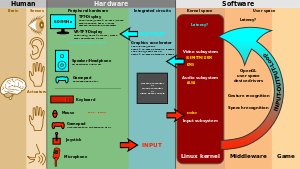
Human–computer interaction studies the ways in which humans make—or do not make—use of computational artifacts, systems and infrastructures. Much of the research in the field seeks to improve human–computer interaction by improving the usability of computer interfaces. How usability is to be precisely understood, how it relates to other social and cultural values and when it is, and when it may not be a desirable property of computer interfaces is increasingly debated.
Much of the research in the field of human–computer interaction takes an interest in:
- Methods for designing new computer interfaces, thereby optimizing a design for a desired property such as learnability, findability, efficiency of use.
- Methods for implementing interfaces, e.g., by means of software libraries.
- Methods for evaluating and comparing interfaces with respect to their usability and other desirable properties.
- Methods for studying human-computer use and its sociocultural implications more broadly.
- Methods for determining whether or not the user is human or computer.
- Models and theories of human computer use as well as conceptual frameworks for the design of computer interfaces, such as cognitivist user models, Activity Theory or ethnomethodological accounts of human computer use.
- Perspectives that critically reflect upon the values that underlie computational design, computer use and HCI research practice.
Visions of what researchers in the field seek to achieve vary. When pursuing a cognitivist perspective, researchers of HCI may seek to align computer interfaces with the mental model that humans have of their activities. When pursuing a post-cognitivist perspective, researchers of HCI may seek to align computer interfaces with existing social practices or existing sociocultural values.
Researchers in HCI are interested in developing design methodologies, experimenting with devices, prototyping software and hardware systems, exploring interaction paradigms, and developing models and theories of interaction.

Comments
Post a Comment